AI Disclosure
This project intentionally incorporates AI-assisted tools as part of a modern industrial design workflow.
AI tools used: Vizcom, ChatGPT
How AI was applied:
Vizcom was used during early-stage visualization to explore form, proportion, and material contrast based on hand-drawn sketches.
ChatGPT was used as a planning and evaluation tool to help structure a project timeline, document process steps, and critically evaluate concepts as they were developed.
Designer role:
All ideation, design decisions, sketching, CAD development, and final execution were completed by the designer. AI tools were used strictly to support visualization, planning, and concept evaluation, and did not replace creative authorship or design judgment.
All ideation, design decisions, sketching, CAD development, and final execution were completed by the designer. AI tools were used strictly to support visualization, planning, and concept evaluation, and did not replace creative authorship or design judgment.
Project Overview
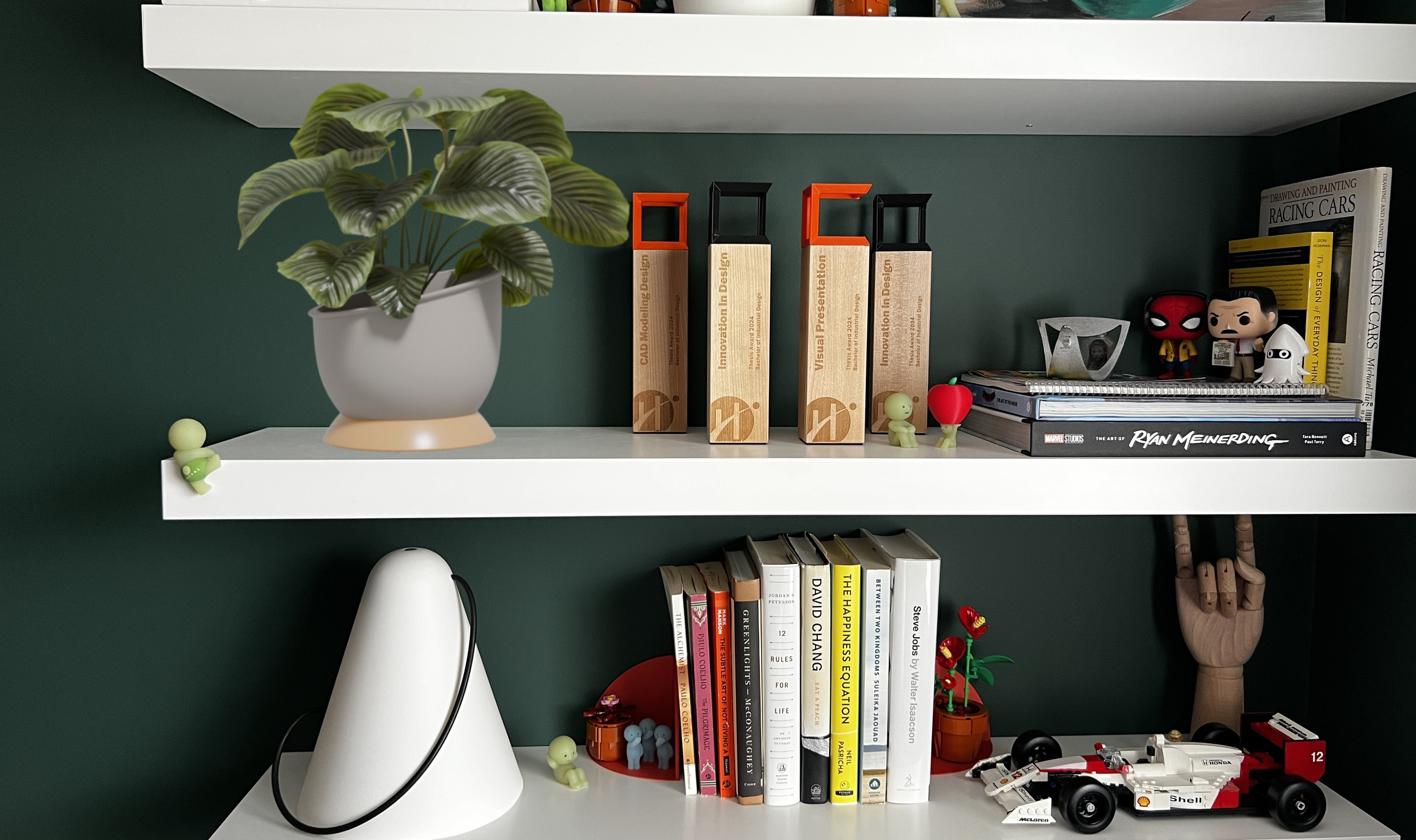
Tilt Planter is a two-part indoor planter designed to subtly orient plants toward light while keeping surrounding surfaces protected from excess water. The project explores how a simple change in geometry can add visual interest and functional intent without compromising everyday usability. The form language emphasizes calm proportions, material contrast, and stability for use in modern interior spaces.
This project was intentionally developed using a hybrid workflow combining hand sketching, AI-assisted visualization, and traditional CAD and rendering tools.
Design Brief
Design a modern indoor planter targeting young urban users (18–35) that strikes a balance between visual simplicity and everyday practicality. The planter should feel at home in small living spaces, be easy to live with, and offer a subtle point of differentiation without appearing overly technical or decorative.
Ideation & Form Exploration
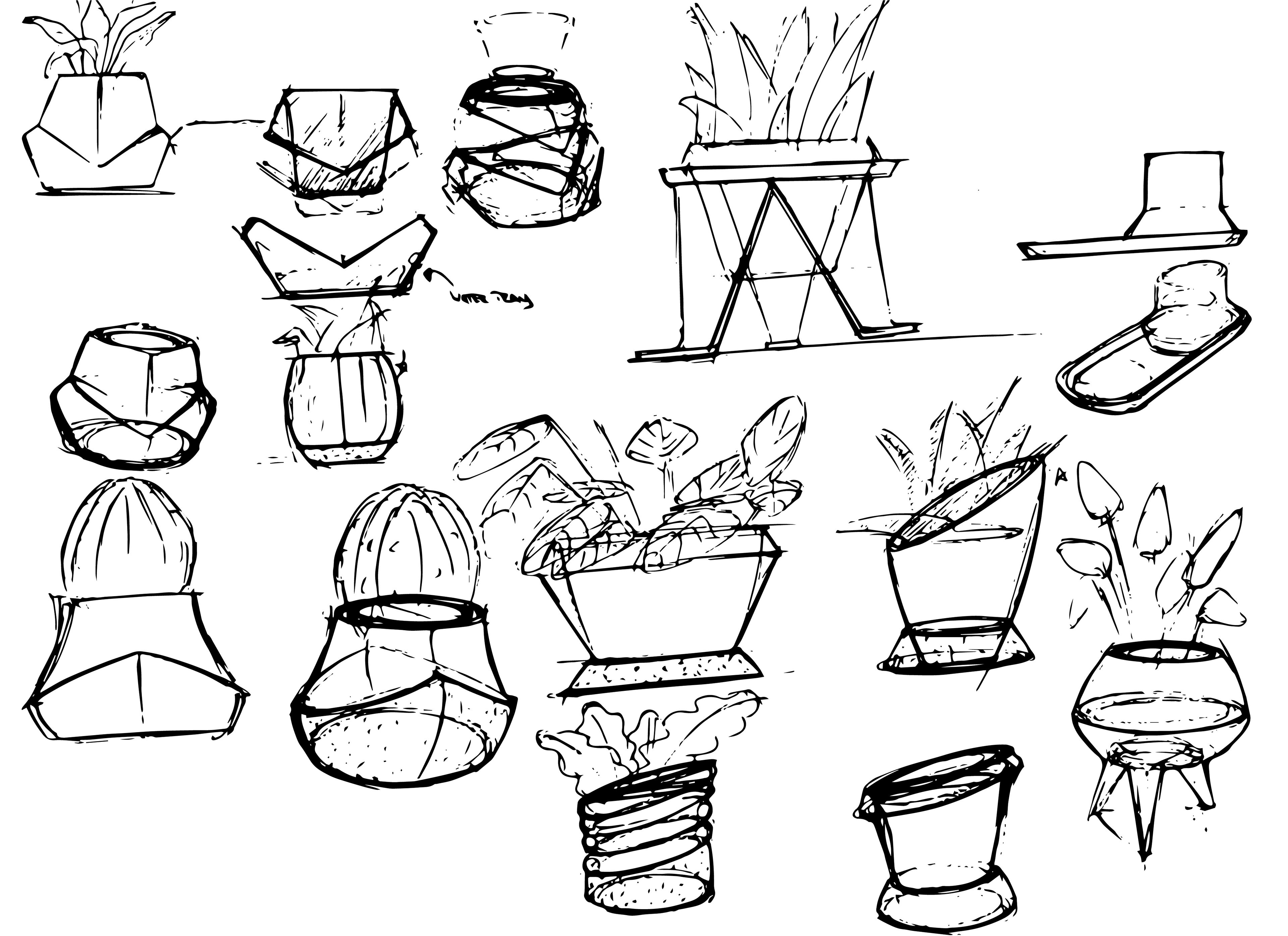
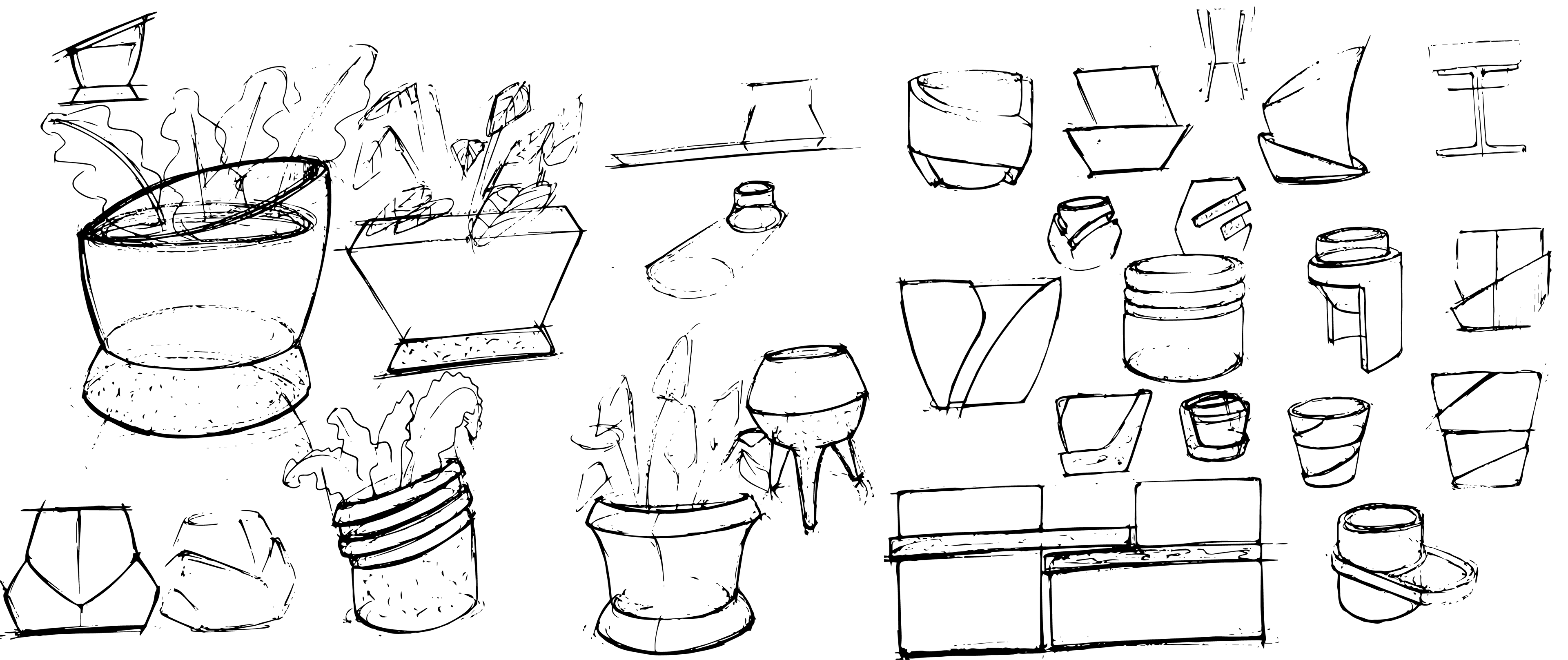
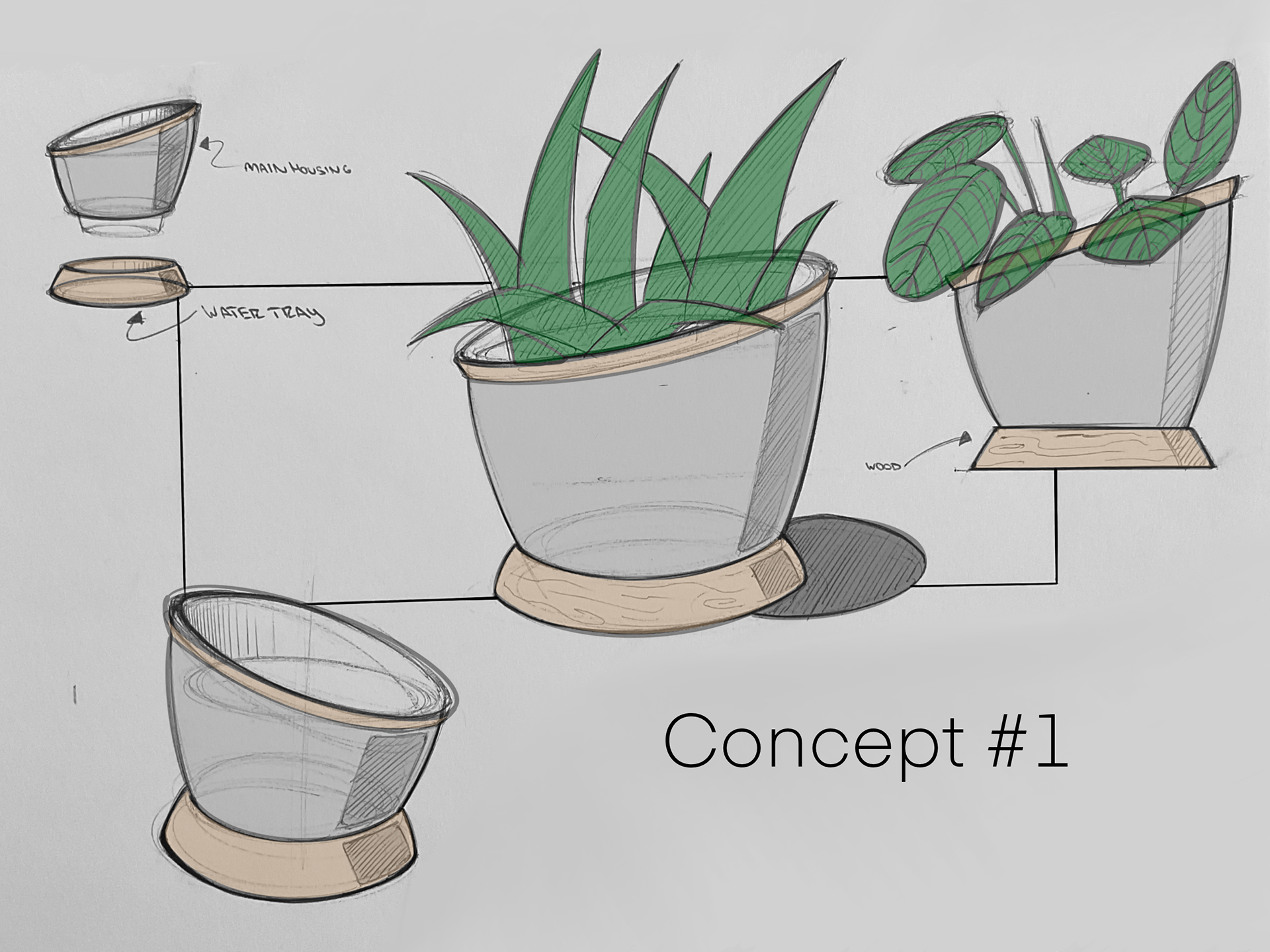
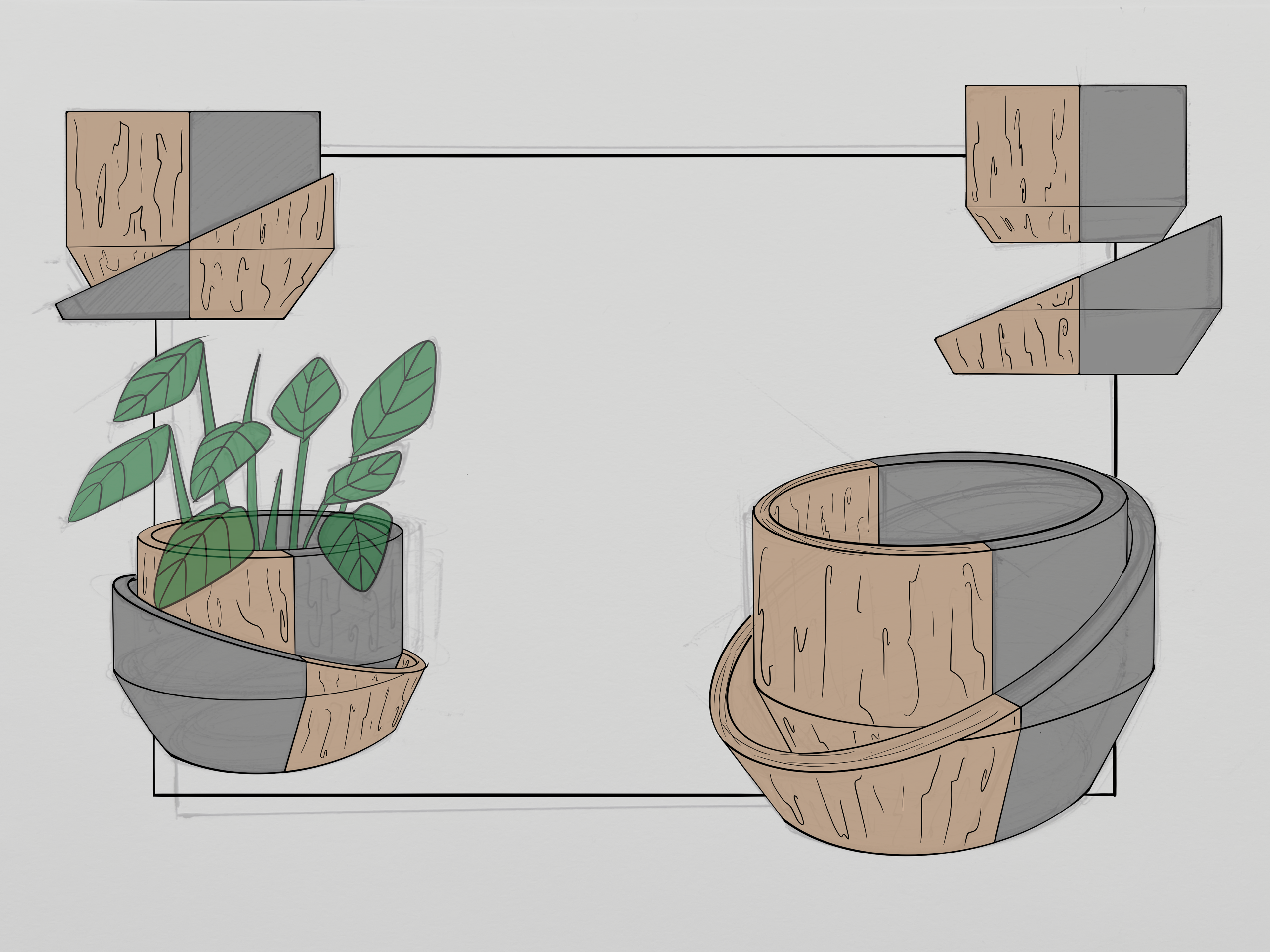
Early ideation focused on exploring how tilt, base geometry, and visual weight could influence both the perception and function of the planter. Hand sketching was used to rapidly test a range of silhouettes, tilt angles, and base proportions before narrowing toward a calmer, more restrained direction.
Key considerations included:
Perceived stability despite the tilted form
How the planter visually frames the plant
Balance between softness and structure
AI-Assisted Visualization
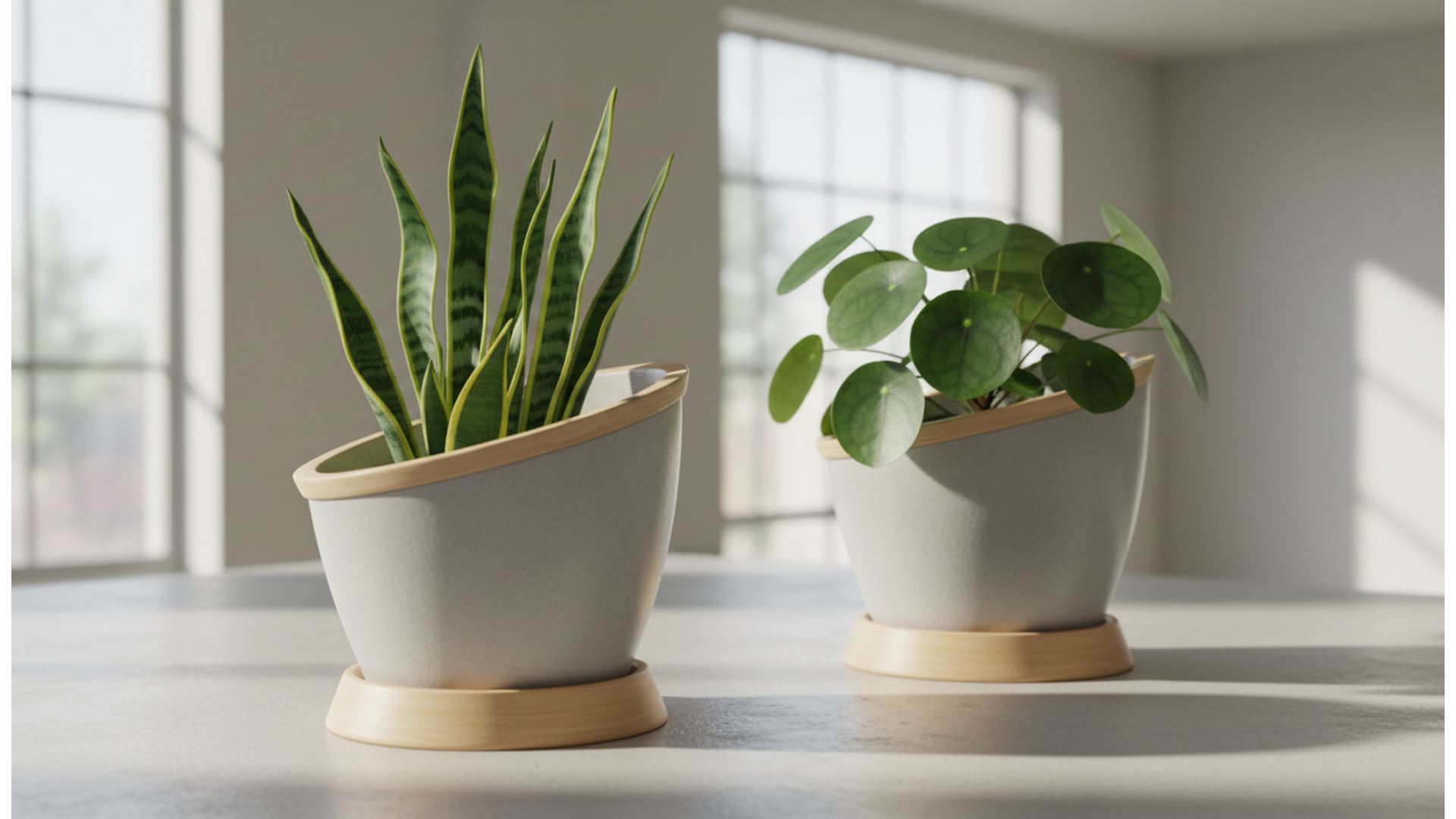
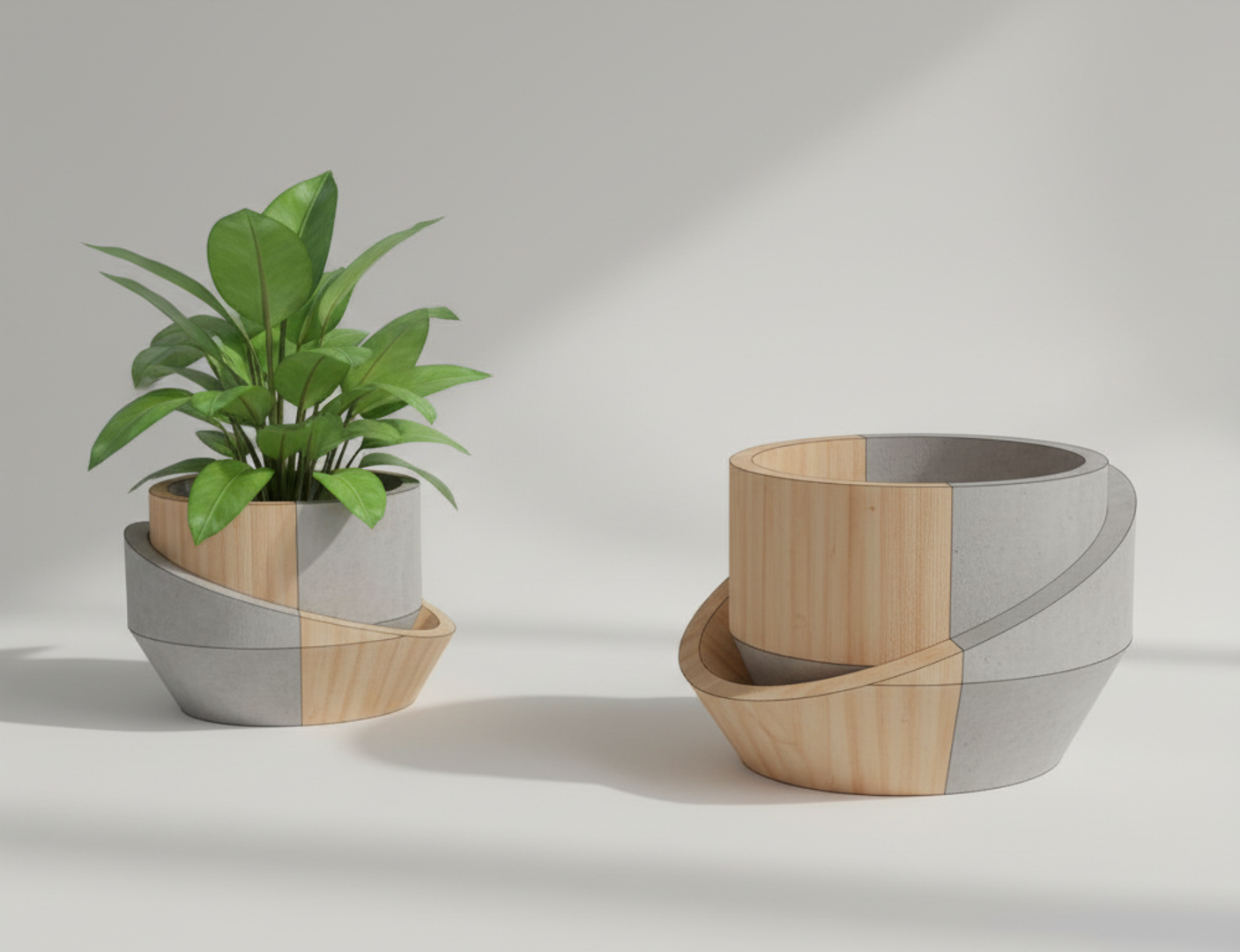
AI tools were deliberately introduced during early concept refinement to support faster evaluation of form, proportion, and material contrast.
Vizcom was used to translate selected sketches into visualizations that allowed rapid comparison of surface continuity, tilt angles, and the relationship between the planter and water tray. This step helped identify areas where proportions felt too heavy or too light before committing to CAD development.
AI was used as a support tool, not a design decision-maker. All concept direction, selection, and refinement were guided by manual sketching and designer judgment.
Material Strategy
The final concept uses a two-part construction:
Upper planter: smooth, light concrete for visual weight and stability
Lower water tray: natural wood to introduce warmth and contrast
Separating the planter and water tray allows for the management of excess water while visually grounding the object. The material pairing reinforces the calm, interior-friendly character of the design without drawing attention away from the plant itself.
CAD Development
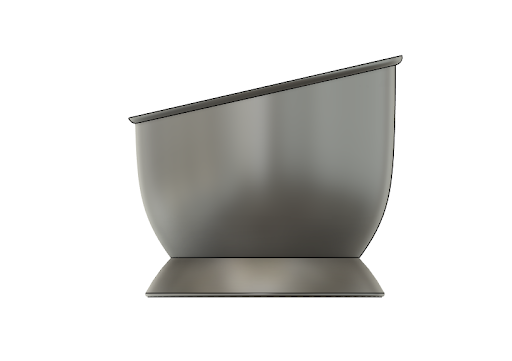
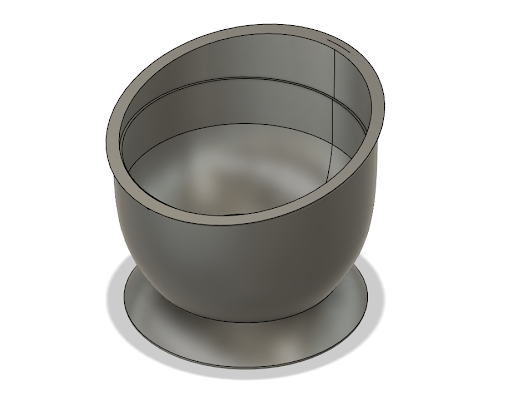
The selected concept was developed in Fusion 360 with attention to:
Consistent wall thickness
Stable base geometry
Clear separation between components
Manufacturable, simplified surfaces
The tilted rim and base relationship was refined to maintain visual balance while remaining practical for everyday use.
Final Visualization
Final renders were produced in Blender to communicate scale, proportion, and material relationships. The visualization focuses on clarity rather than hyper-realism, presenting the planter as a believable consumer product within both neutral and interior contexts.
This project reflects an exploration of how emerging AI tools can be thoughtfully integrated into a traditional industrial design process.